The Texture Lab
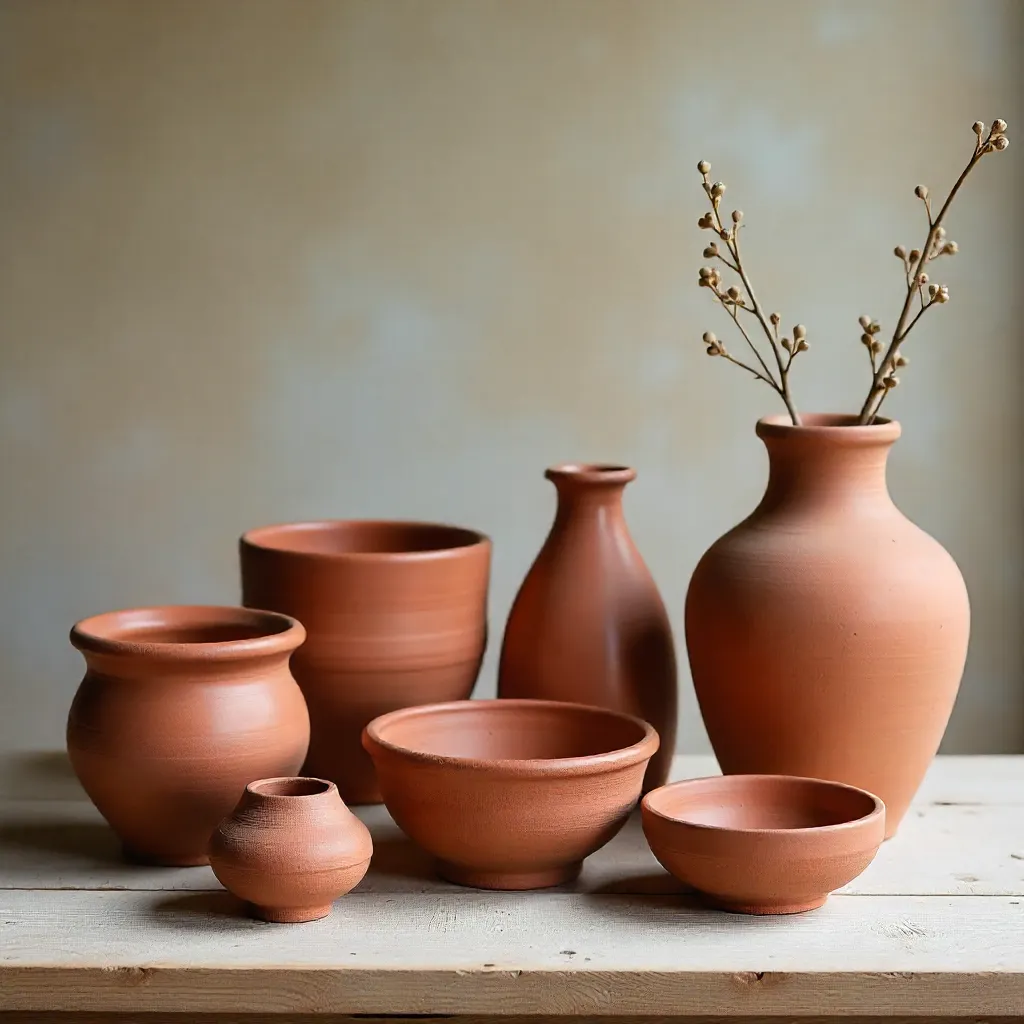
Interactive exploration of surface finishes, textures, and tactile treatments for ceramic surfaces.
Surface Treatment Exploration
Texture as Design Element
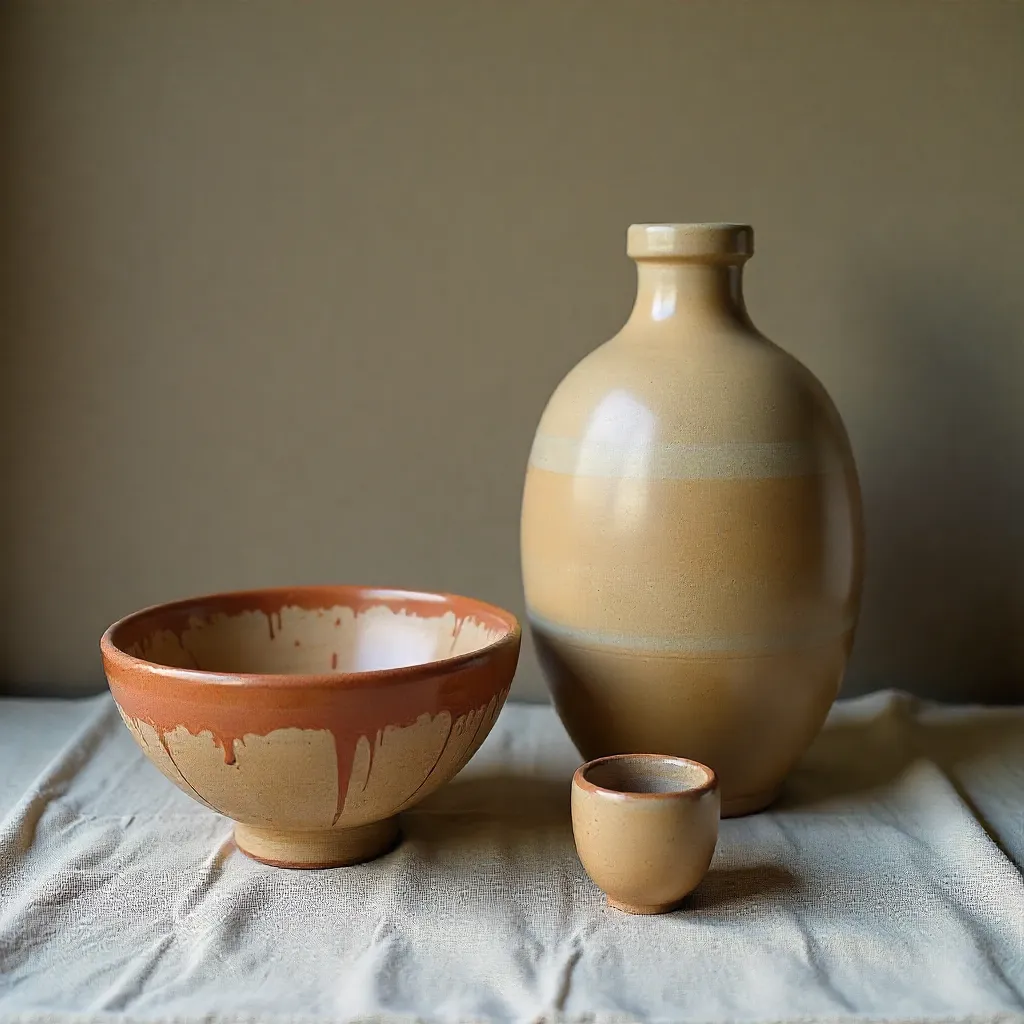
Surface texture serves multiple functions in ceramic design. It influences both visual appearance and tactile experience, adding depth and interest to forms. Various techniques can be employed to create different textural effects.
Texture can be applied during forming, through tooling and impression methods, or developed through glaze and firing processes. Each approach offers distinct possibilities for surface character.
Understanding texture options helps in making informed decisions about surface treatment for custom projects or selecting pieces that align with aesthetic preferences.
Texture Categories
Smooth Finishes
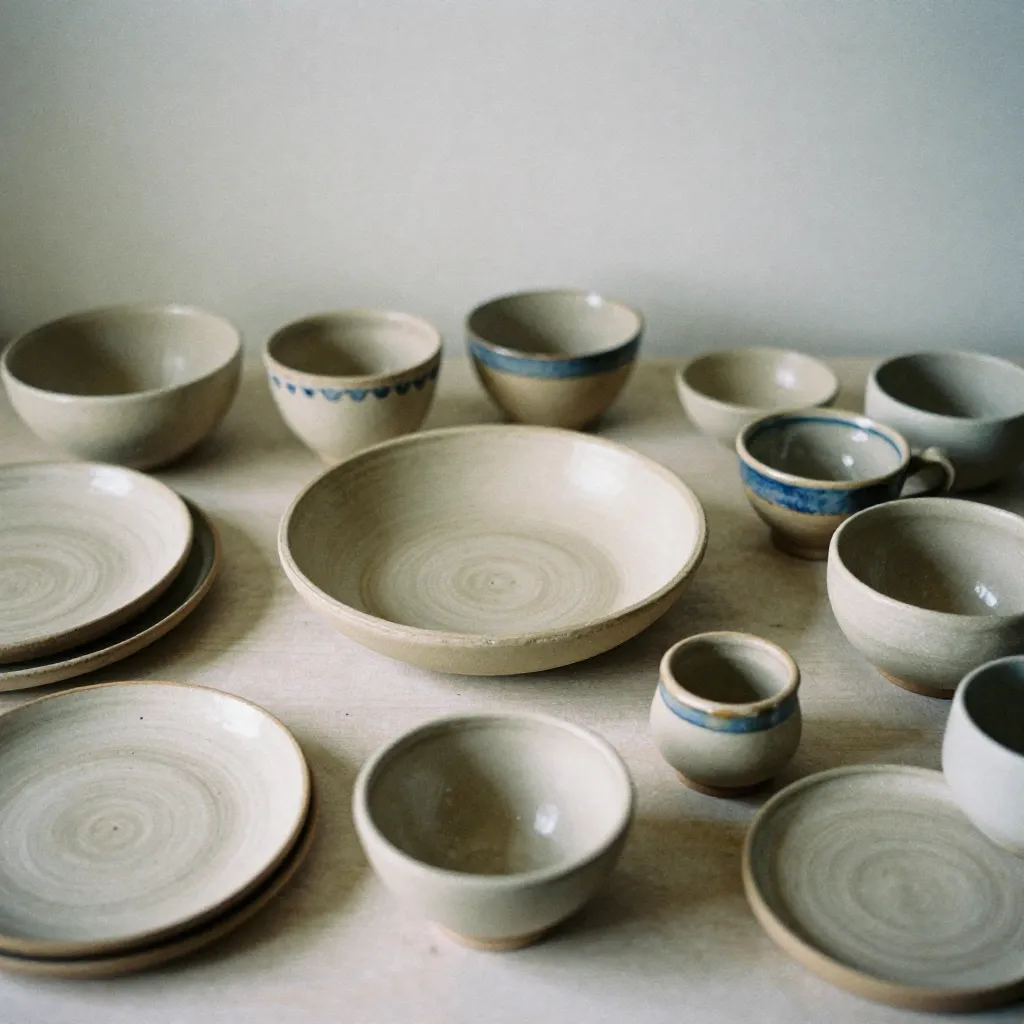
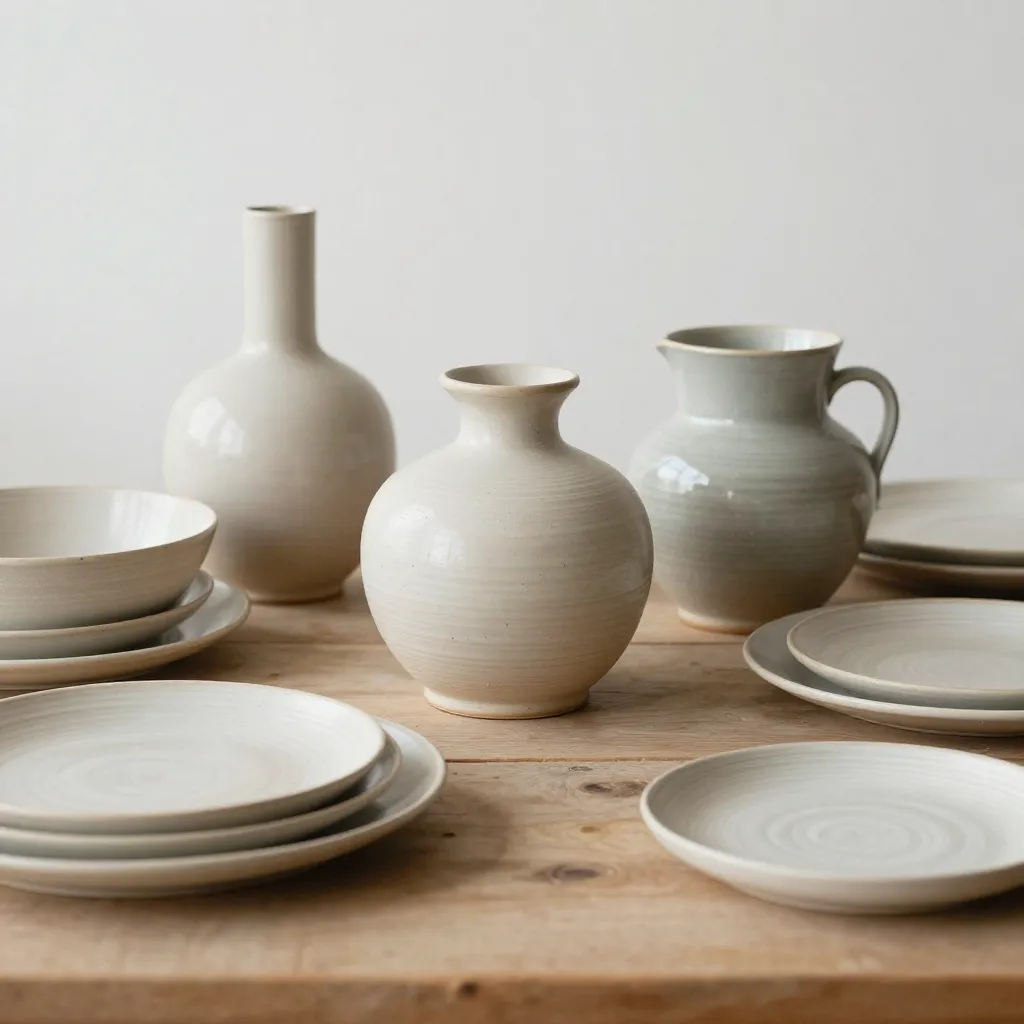
Glazed surfaces can achieve high-gloss, satin, or matte finishes depending on composition and firing conditions. Smooth textures create clean, refined appearances suitable for functional ware and minimalist aesthetics.
Applied Textures
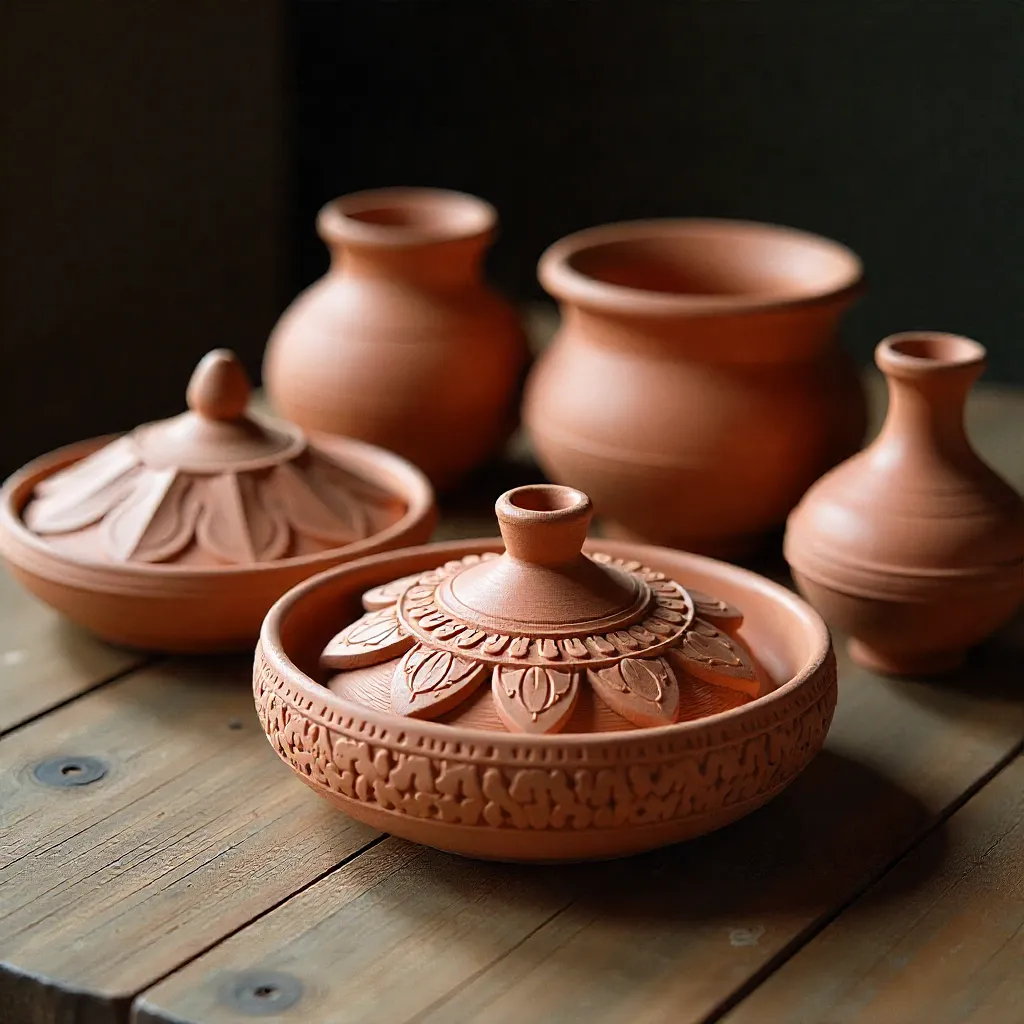
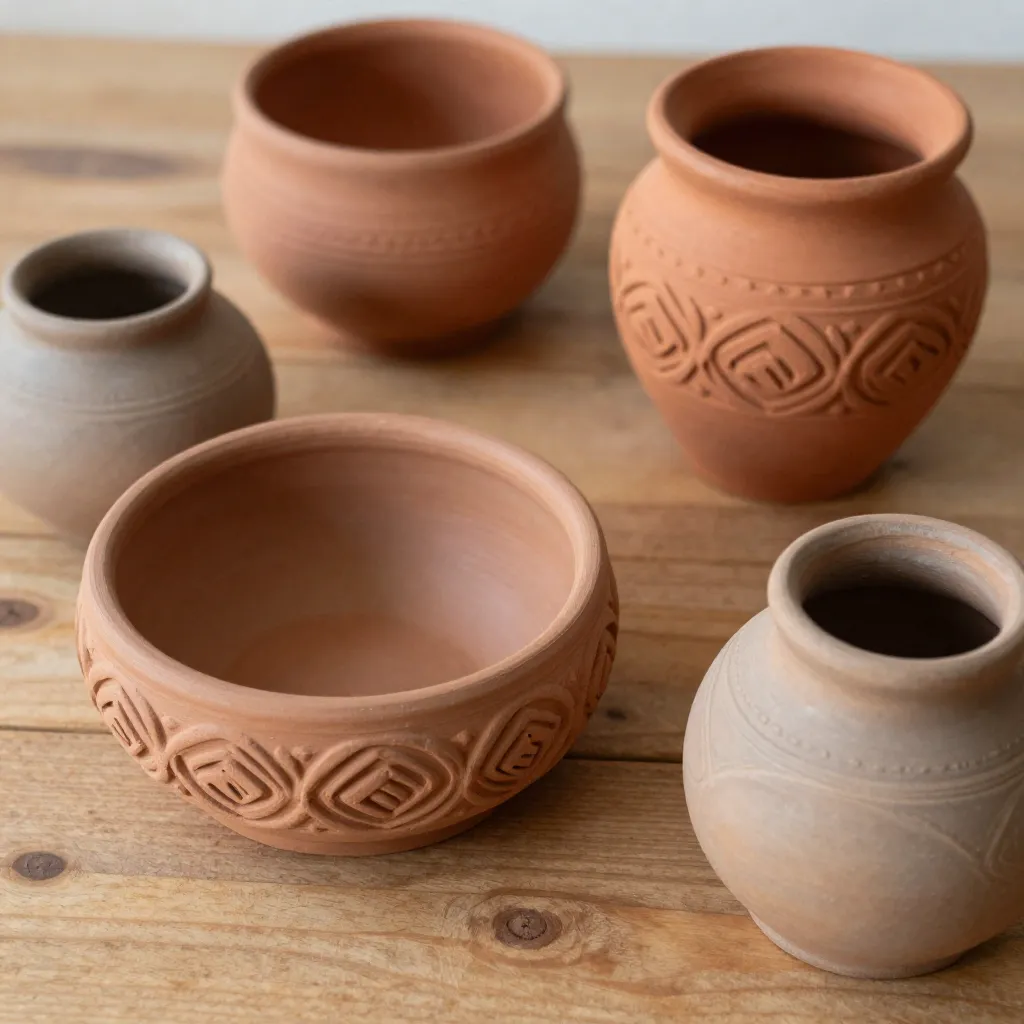
Textures created through carving, stamping, or tooling add visual and tactile interest. These techniques can produce patterns, ridges, or organic impressions that become integral to the piece's character.
Natural Variations
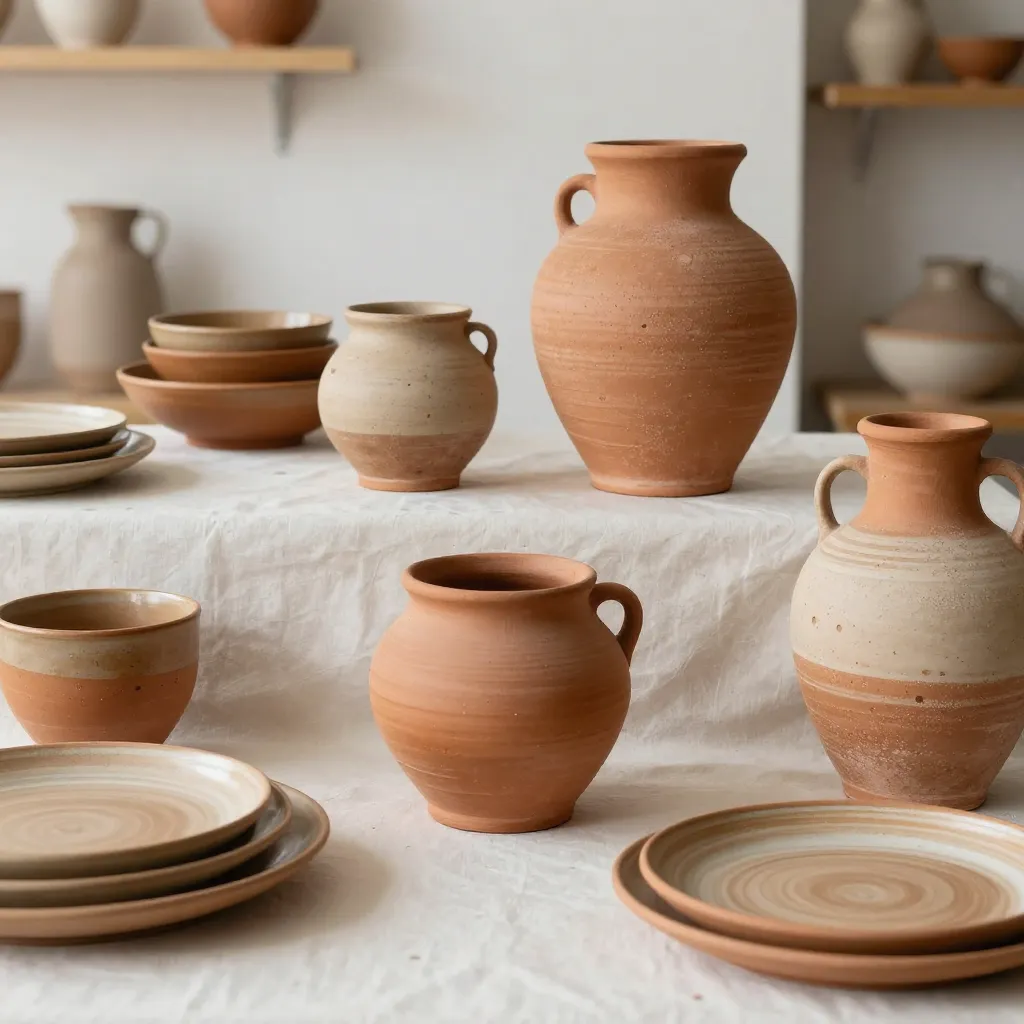
Some textures emerge naturally through material behavior during firing. Crystalline formations, crawling effects, and other glaze phenomena create unpredictable but visually interesting surface qualities.
Application Techniques
Methods and Materials
Texture application occurs at various stages of the ceramic process. During forming, tools can create impressions, carvings, or surface patterns. Texture can also be developed through material manipulation before firing.
Glaze application techniques influence final texture. Thick applications, multiple layers, or specific firing conditions can create varied surface effects. Some textures emerge through the interaction between glaze and clay body.
Understanding these techniques helps in specifying desired textures for custom work or appreciating the methods behind existing pieces.
Custom Texture Development
Collaborative Design
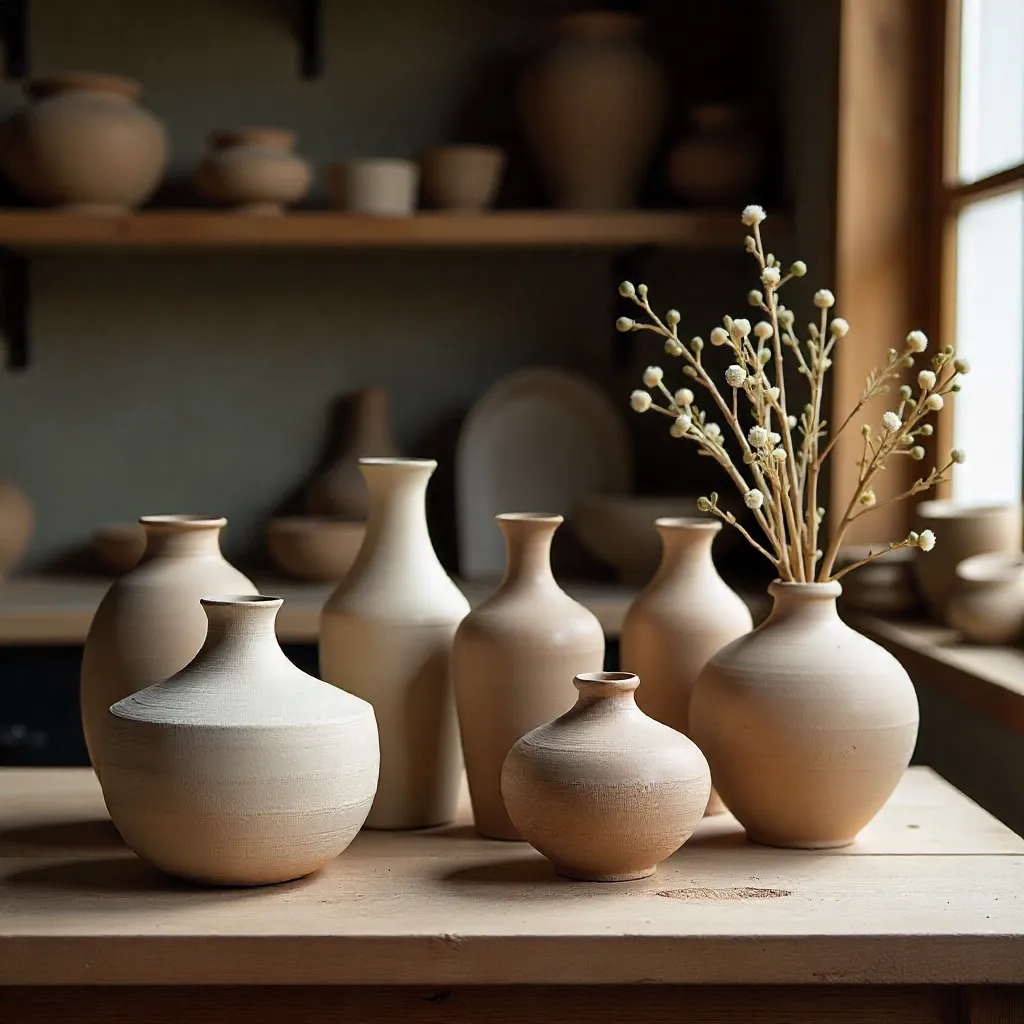
For custom projects, texture preferences can be discussed and developed. Reference samples, descriptions, or examples help communicate desired surface characteristics. We can work together to achieve specific textural goals.
Testing and Samples
For complex texture requirements, test samples can be created to verify appearance and feel before final production. This process ensures that texture choices align with intended design outcomes.
Selection Considerations
Practical Considerations
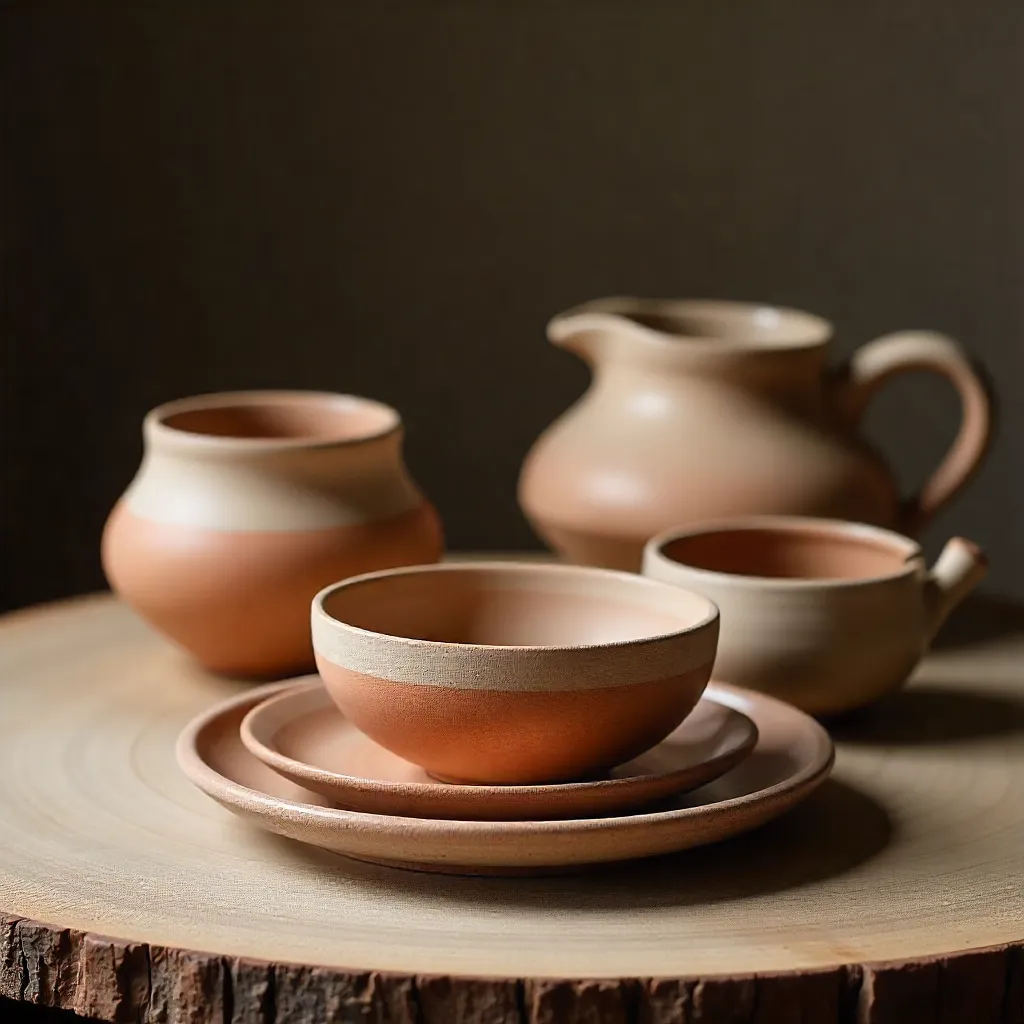
Texture selection involves balancing aesthetic preferences with practical considerations. For functional pieces, texture affects ease of cleaning and durability. Decorative pieces offer more flexibility in texture choices.
Consider how texture interacts with intended use, maintenance requirements, and overall design goals. Some textures enhance grip, while others prioritize visual appearance. We can discuss these factors to identify suitable options.
To explore texture options or discuss custom surface treatments, please contact us through our contact page. We're happy to discuss texture possibilities for your project.