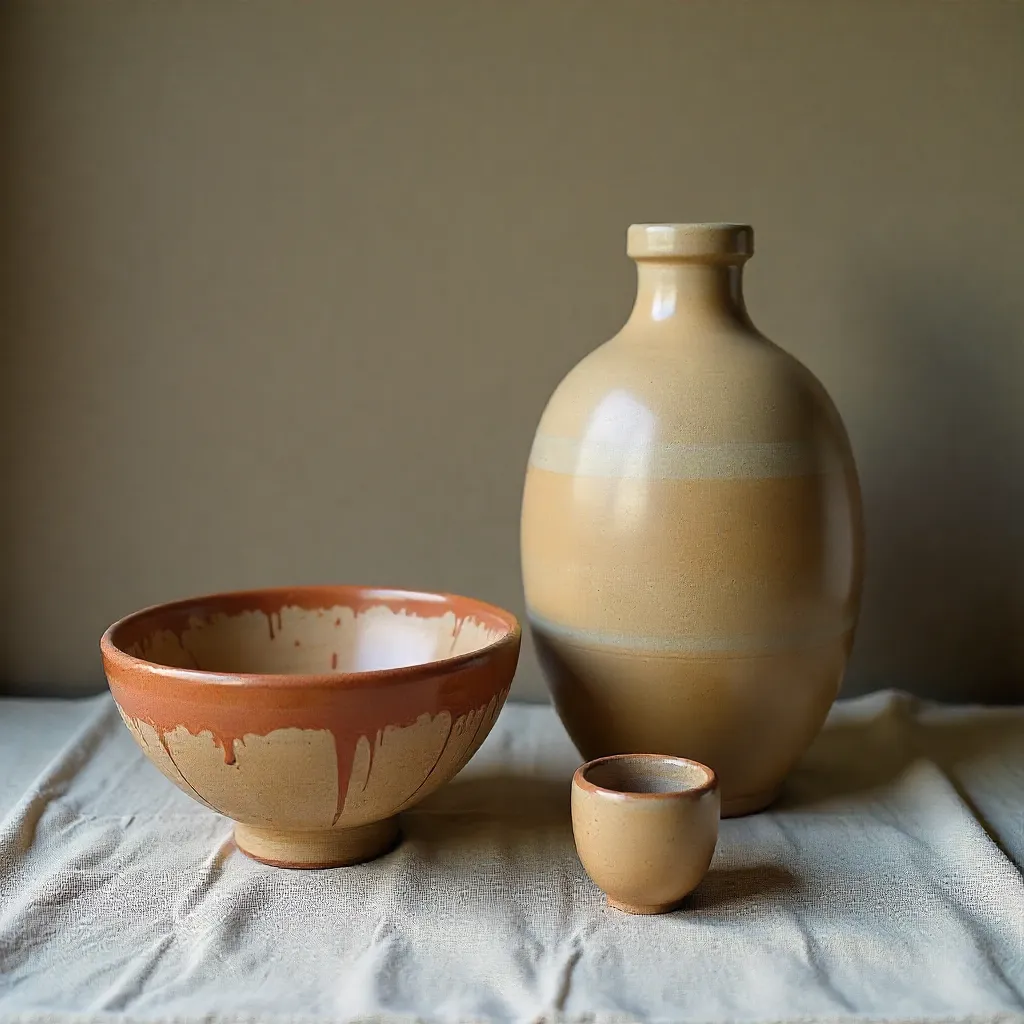
The Kiln Log
Documenting the technical journey from raw material to finished ceramic object through detailed process documentation.
Material Preparation
Clay Selection and Conditioning
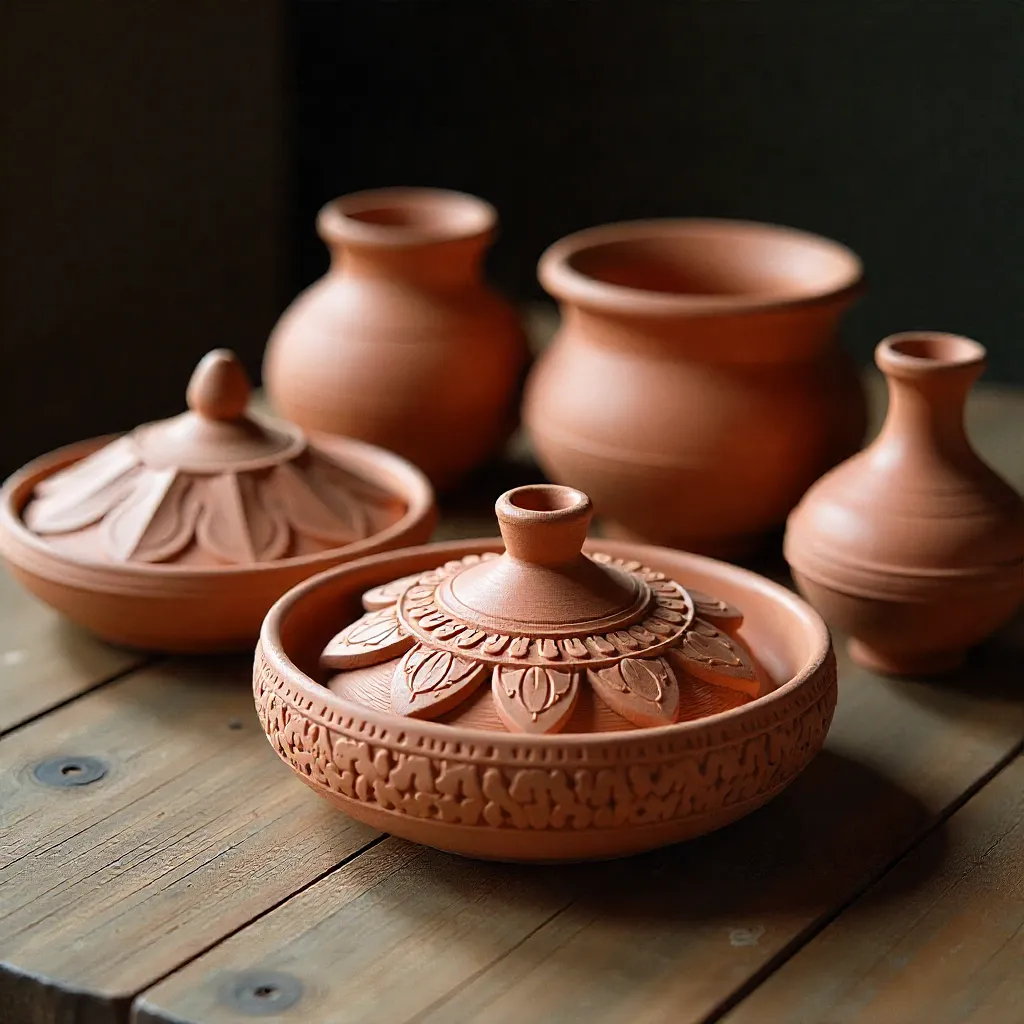
The foundation of every ceramic piece begins with careful material selection. Different clay bodies offer varying characteristics in terms of workability, firing temperature, and final appearance.
Once selected, the clay undergoes a conditioning process. This involves wedging, which removes air bubbles and creates uniform consistency. The process ensures even drying and reduces the risk of cracking during firing cycles.
Temperature ranges and firing schedules are determined based on the clay body's composition. This technical consideration influences every subsequent decision in the creation process.
Forming Methods
Wheel Throwing
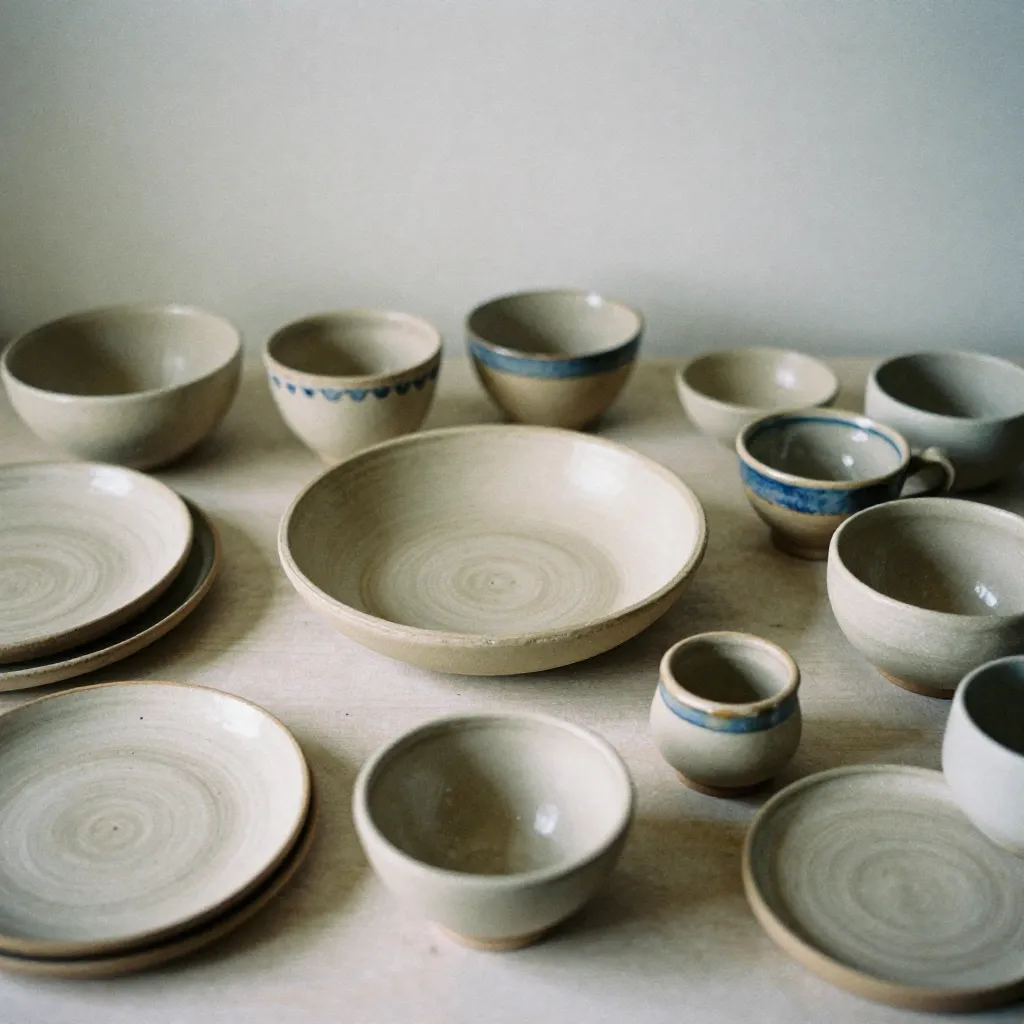
The primary forming method involves centering clay on a rotating wheel and using controlled hand movements to raise and shape the material. This technique requires coordination between hand pressure, wheel speed, and water application.
Timing is crucial during this stage. The clay must maintain optimal moisture content throughout the process, as too much or too little water affects the material's responsiveness.
Trimming and Refinement
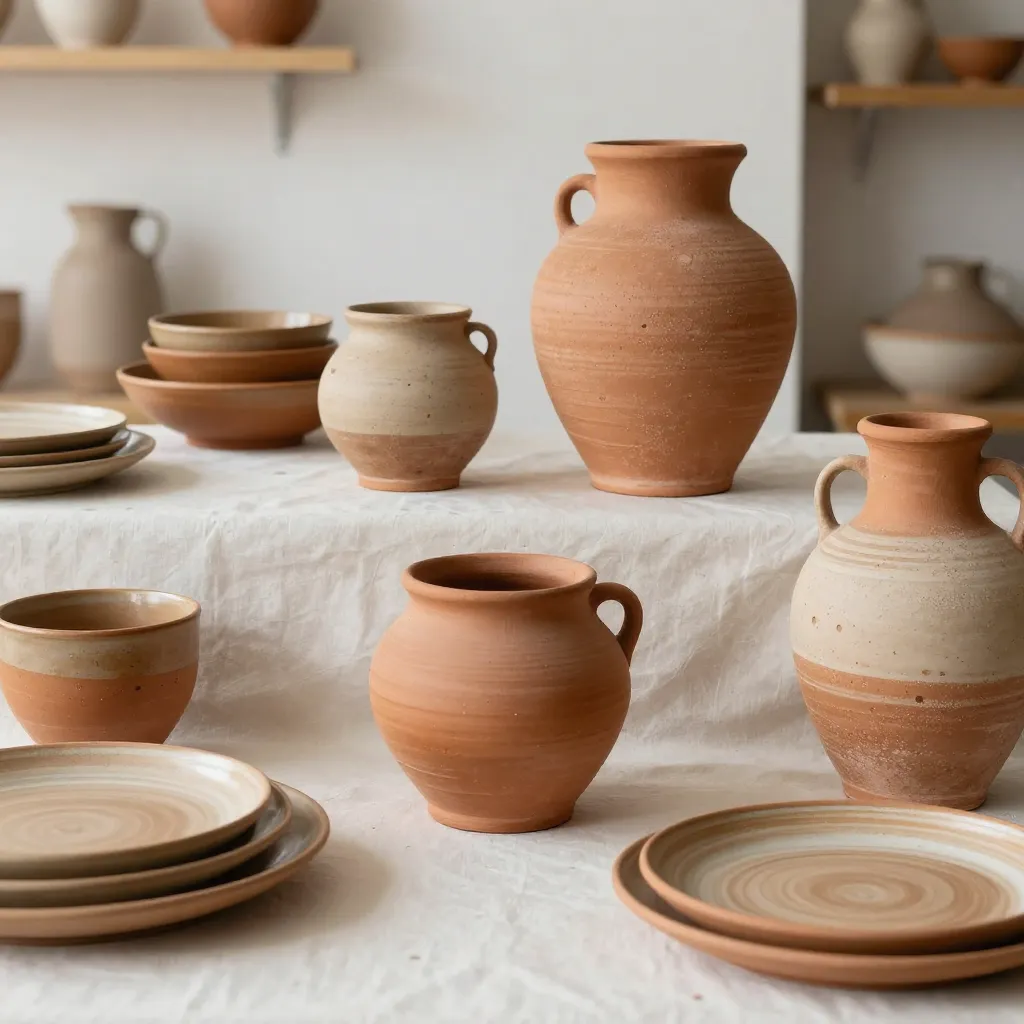
After initial forming, pieces are allowed to dry to a leather-hard state. At this stage, excess material is removed and details are refined using specialized tools.
This stage allows for precision work that wouldn't be possible in wetter or drier states. Foot rings, surface textures, and final adjustments are made during this phase.
Drying and Initial Firing
Controlled Drying
Proper drying prevents warping and cracking. Pieces are allowed to air-dry slowly, with protection from direct sunlight and drafts. The duration depends on piece size, thickness, and environmental conditions.
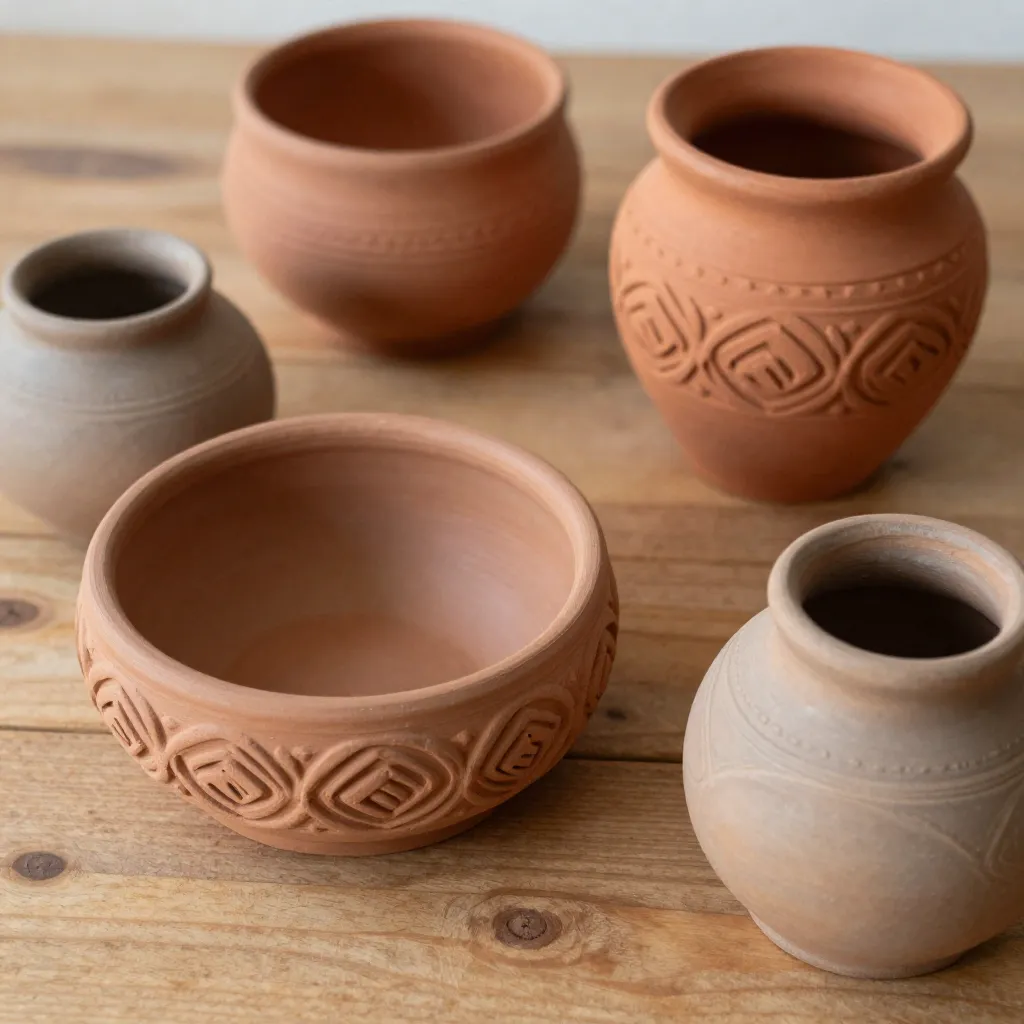
Once bone-dry, pieces are ready for the first firing cycle, known as bisque firing. This process typically occurs at lower temperatures, removing remaining water and preparing the clay for glazing.
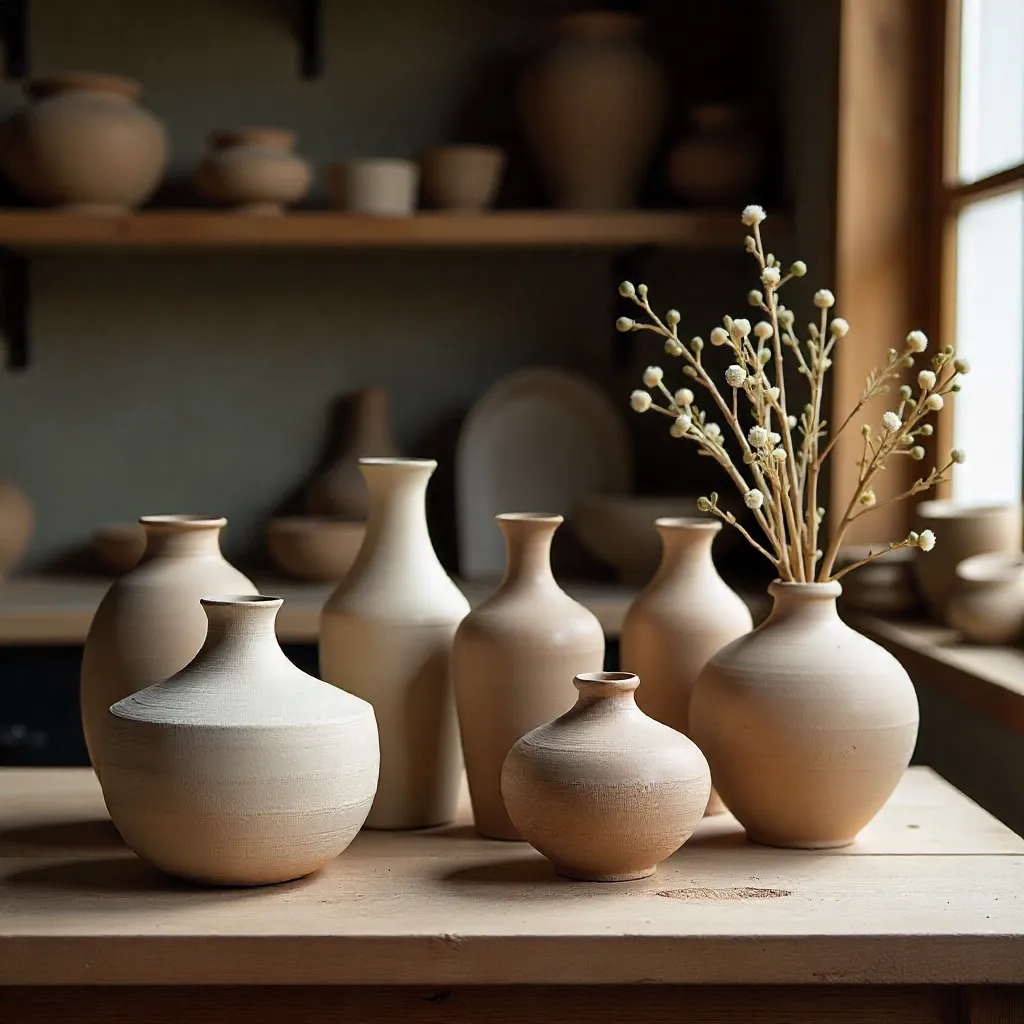
The bisque firing transforms the fragile, dry clay into a more durable state. At this point, the material can be handled more easily and absorbs glazes effectively.
Glaze Application and Final Firing
Glaze Chemistry
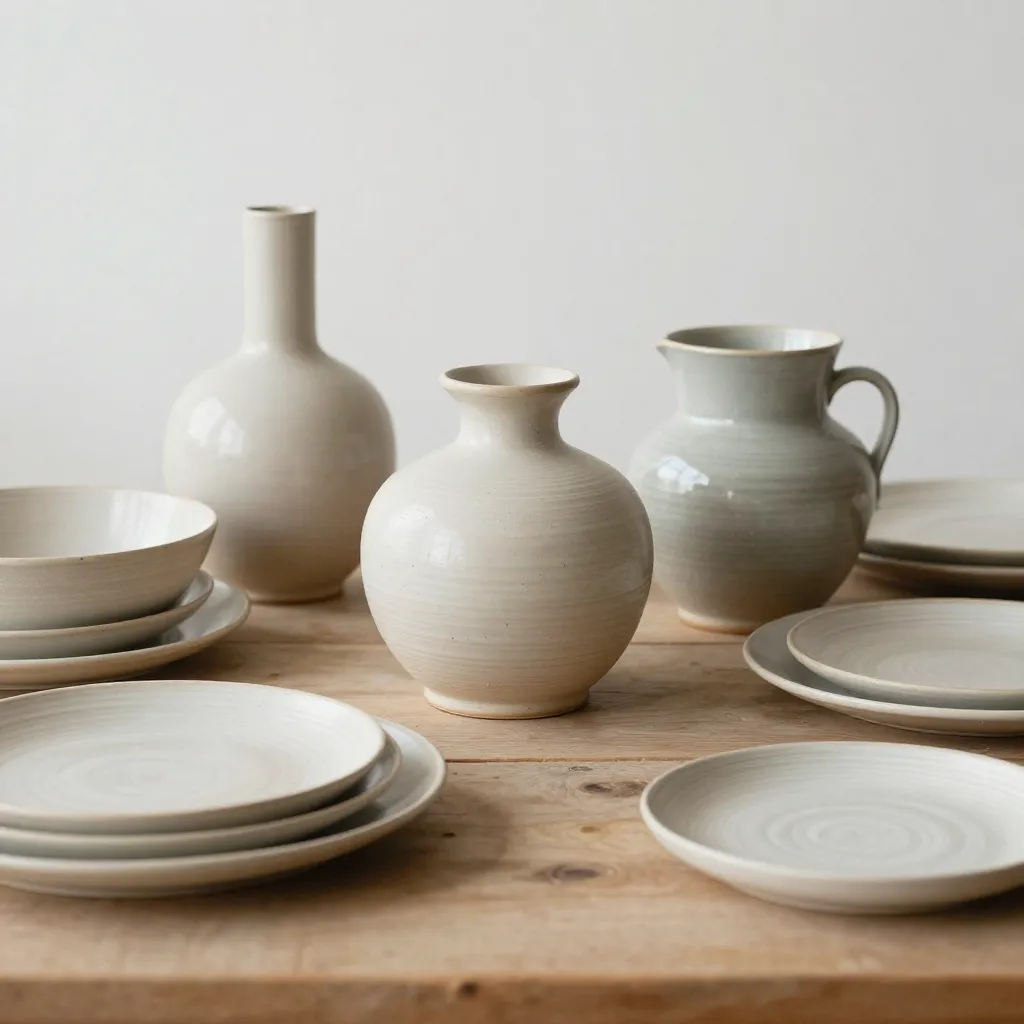
Glazes consist of silica, fluxes, and stabilizers that combine to create various surface finishes. The composition determines melting temperature, color, texture, and durability.
Application methods include dipping, brushing, pouring, and spraying. Each technique produces different effects and requires practice to achieve consistent results.
Final Firing Cycle
The glaze firing occurs at higher temperatures, causing the glaze materials to melt and form a glass-like surface. Temperature curves are carefully controlled to ensure proper maturation.
Cooling rates are equally important. Rapid temperature changes can cause stress cracks or defects. The kiln is allowed to cool gradually over many hours before opening.
Final Assessment
Post-Firing Evaluation
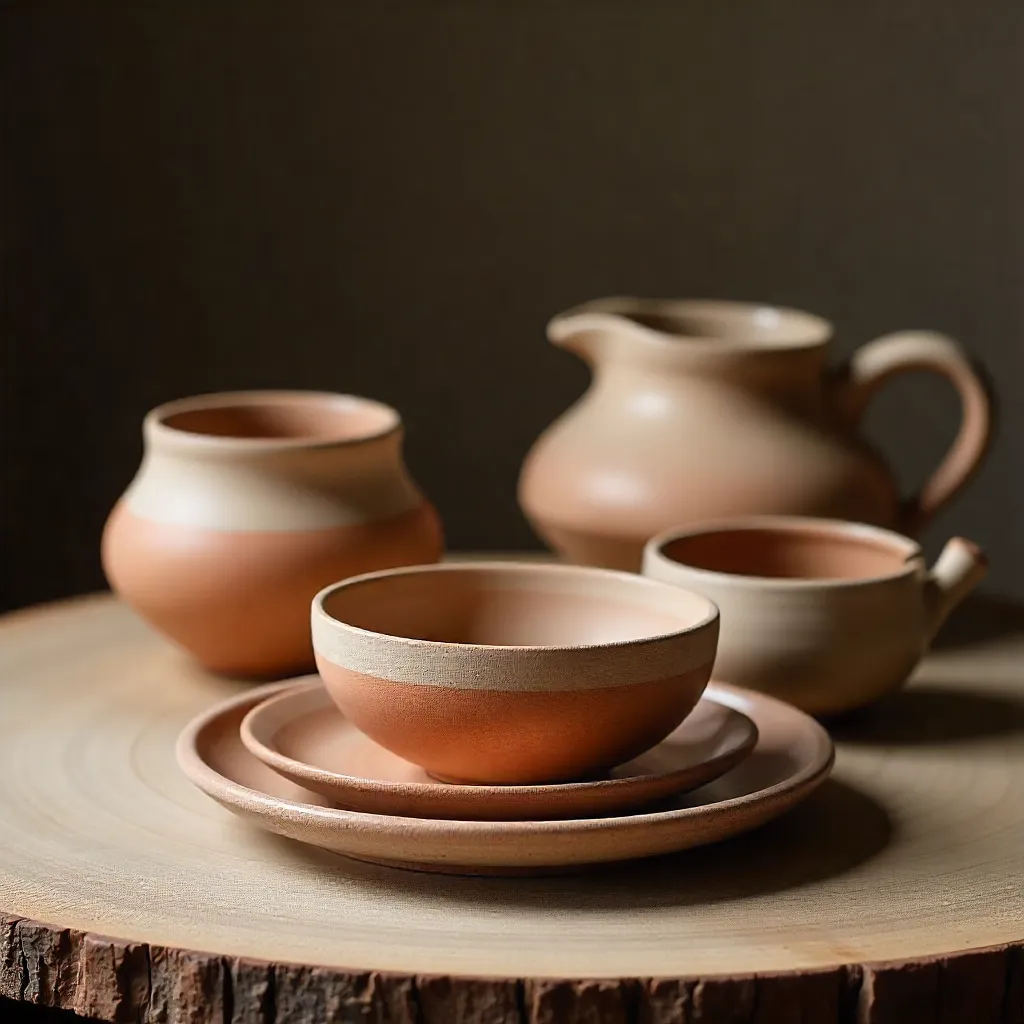
After cooling, each piece undergoes inspection. Surface quality, glaze uniformity, and structural integrity are assessed. Variations in firing conditions create subtle differences, even within the same firing cycle.
Successful pieces demonstrate proper glaze maturation, absence of defects, and realization of intended design. The technical process, while methodical, always contains elements of unpredictability that contribute to each piece's unique character.